
Best Pens for Hobonichi That Make Planning a Joy****
You feel the difference the second pen hits paper. Thin lines glide. Ink dries fast. Pages stay crisp.
I’ve tested these in real Hobonichi planners. Daily pages. Weekly spreads. Even cramped margins. Here’s what earns a spot in my pouch.
Uni Jetstream 0.38mm
This one feels like silk on Tomoe River paper. The ballpoint ink dries in a blink. You get clean lines with zero drag.
Think of it as your reliable daily driver. It just works every time.
- Tip size: 0.38mm
- Ink type: Hybrid ballpoint
- Feel: Smooth and fast
- Best for: Quick notes and tight spaces
Uni-ball One P
This pen lays down bold ink that pops. Colors look rich and sharp. You’ll notice the contrast right away.
It’s like switching from pencil to ink in one stroke. Everything looks more alive.
- Tip size: Fine
- Ink type: Gel
- Feel: Slight grip on paper
- Best for: Color coding and headers
Sakura Pigma Micron
I trust this for long term pages. The ink feels dry and steady. Lines stay crisp years later.
Archival ink means it lasts like a time capsule. Your plans age well.
- Tip sizes: Multiple options
- Ink type: Pigment liner
- Feel: Firm and controlled
- Best for: Permanent notes and doodles
BEMLP Gel Pens
These go ultra fine. Perfect for tiny handwriting. You can pack detail into every square.
It’s like writing with a needle tip. Precision lovers will smile.
- Tip size: Extra fine
- Ink type: Gel
- Feel: Light and precise
- Best for: Dense layouts and micro writing
Hobonichi TSUKI no IRO Set
This set brings soft colors that feel calm. Each shade flows smoothly. You get harmony across your pages.
Color coding becomes a breeze. Like painting with quiet tones.
- Tip size: Fine
- Ink type: Gel
- Feel: Smooth and gentle
- Best for: Aesthetic planning and mood tracking
Final Take
The right pen changes how you plan. You write more. You enjoy it more. Your Hobonichi becomes a place you want to visit daily.
Uni Jetstream 3-Color Ballpoint Pen 0.38mm
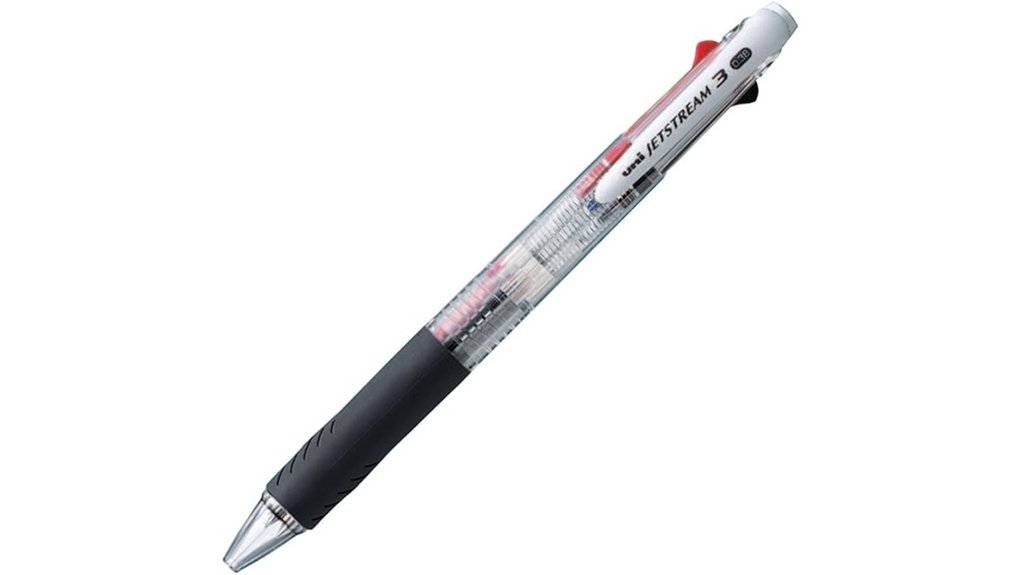
If you want one pen for clean color coding, this Uni Jetstream feels like a pocket knife for your planner. I’ve used it daily in a Hobonichi and it stays light in hand. The clear barrel feels smooth and slightly cool. Clicks sound crisp and fast. You switch between black red and blue in a blink.
The Jetstream ink glides like butter. You get a fine 0.38mm tip that lays sharp 0.5mm lines. Ink flow stays steady and clean. No drag on thin planner paper. The grip curves fit your fingers well. Left or right hand both feel natural. It rides in a pocket without bulk.
Water can cause some smearing. Keep that in mind for travel or rain. For daily planning it stays reliable and tidy.
Best For: You want a light all in one pen for planner color coding without extra pens.
Pros:
- Smooth Jetstream ink with crisp fine lines
- Three colors in one slim transparent body
- Easy click system with a comfy grip
Cons:
- Water exposure can lead to smearing
- Fine tip suits detail more than bold writing
- Three colors limit wider palette options
In short, this pen pulls its weight. Simple tool that just works.
Mitsubishi Pencil UMNSP38.13 Gel Ballpoint Pen Uni-Ball One P 0.38 Momo
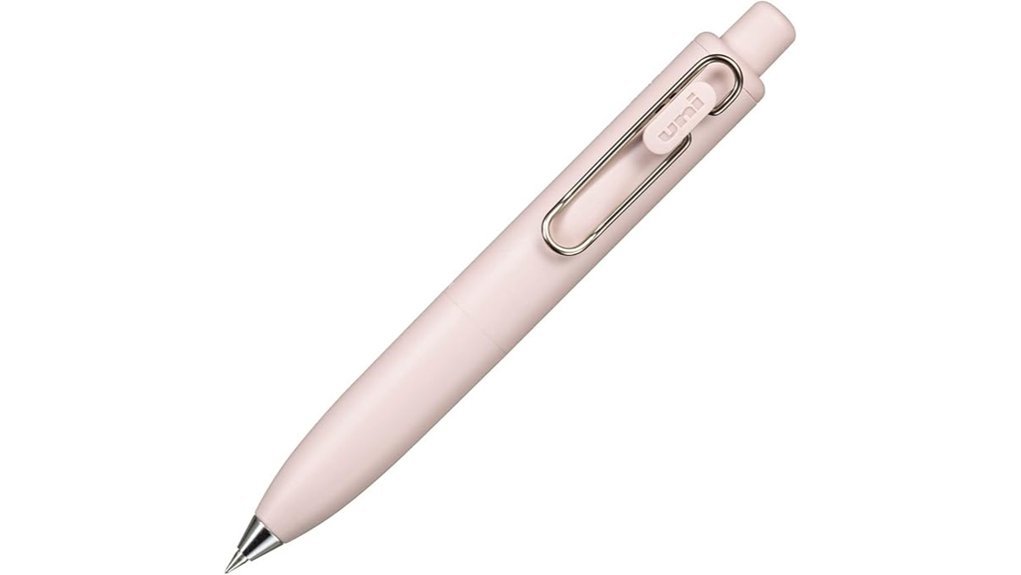
Precision matters. I felt it right away with the Uni Ball One P 0.38 Momo. The tip lays down an *ultra fine clean line* that looks sharp on every page. Ink flows like a quiet stream. No skips. No blobs. Just crisp black gel that sits neatly on thin Hobonichi paper.
You hold it and notice the balance. The stabilizer keeps each stroke steady like a calm hand guiding you. Small writing stays tight and readable. The barrel feels smooth and light. It almost feels like holding a small candy. Cute look. Serious control. The short body gives your fingers a close grip. That means better accuracy in tight planner grids.
Click the rounded knock and you hear a soft snap. Satisfying. Clip it to your planner and go. I used it for quick notes and long lists. It stayed comfortable for daily carry. Refills swap in fast so you keep moving.
This pen fits like a glove for detail work. You get precision where space feels scarce.
Best For:
You want *ultra fine planner writing* that stays neat in small spaces.
Pros:
- *0.38 mm tip* delivers sharp precise lines
- Smooth gel ink feels slick on paper
- Compact body gives you strong control
- Stabilizer keeps strokes steady and clean
Cons:
- Fine tip gives light feedback on rough paper
- Short barrel feels snug in long sessions
- Black ink keeps the palette simple
This one hits the sweet spot for clean planning. Like threading a needle with ease.
Sakura Pigma Micron Fineliner Pens 6-Pack Black
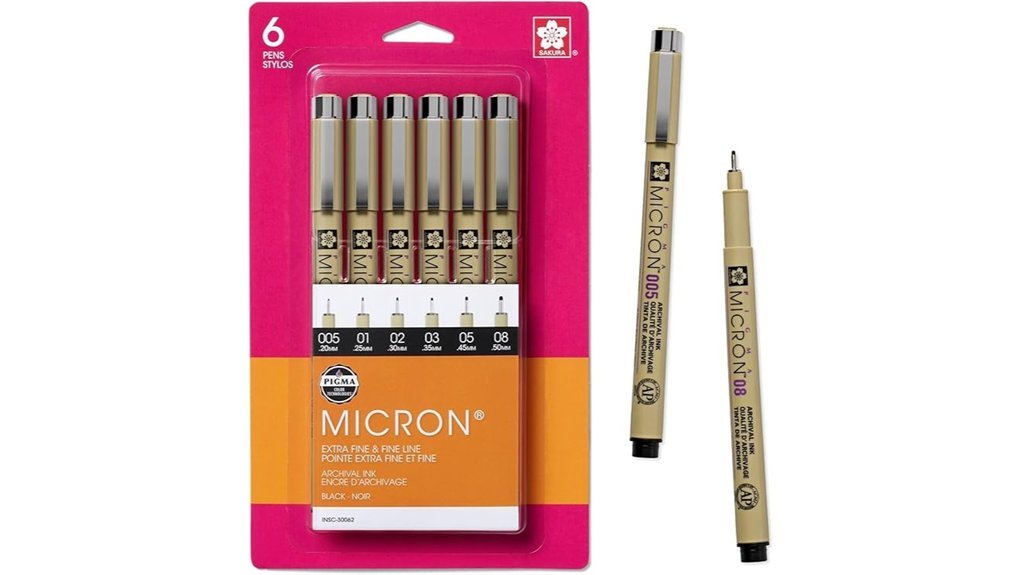
The Sakura Pigma Micron 6 pack gives you ultra fine control right out of the case. I’ve used these on Hobonichi pages and the lines feel sharp like a needle on glass. You get six tip sizes from 005 to 08. That range lets you jump from tiny notes to bold headers in seconds. Think of it as a Swiss army knife for ink work.
The archival black ink dries fast and feels smooth on contact. Your pen glides with a soft scratch sound that artists love. The ink stays rich and dark over time. It holds up against water and light with ease. Your pages stay clean and crisp with no feathering.
The barrel feels light and easy in your grip. I can write for long sessions without hand fatigue. The round shape rolls a bit on slick desks so keep that in mind. Still it feels like an old friend in your hand.
Safety matters too. The AP seal means it’s safe for daily use. That gives peace of mind if you draw or journal often.
Best For:
Planners and artists who want precise black ink with multiple tip sizes for clean detail work.
Pros:
- Six tip sizes for fine detail and bold lines
- Archival ink that stays waterproof and fade resistant
- Smooth flow with quick drying performance
Cons:
- Black ink only limits color work
- Barrel may roll on flat surfaces
- Plastic build feels simple in hand
BEMLP 0.35mm Gel Ink Pens 12-Pack Black
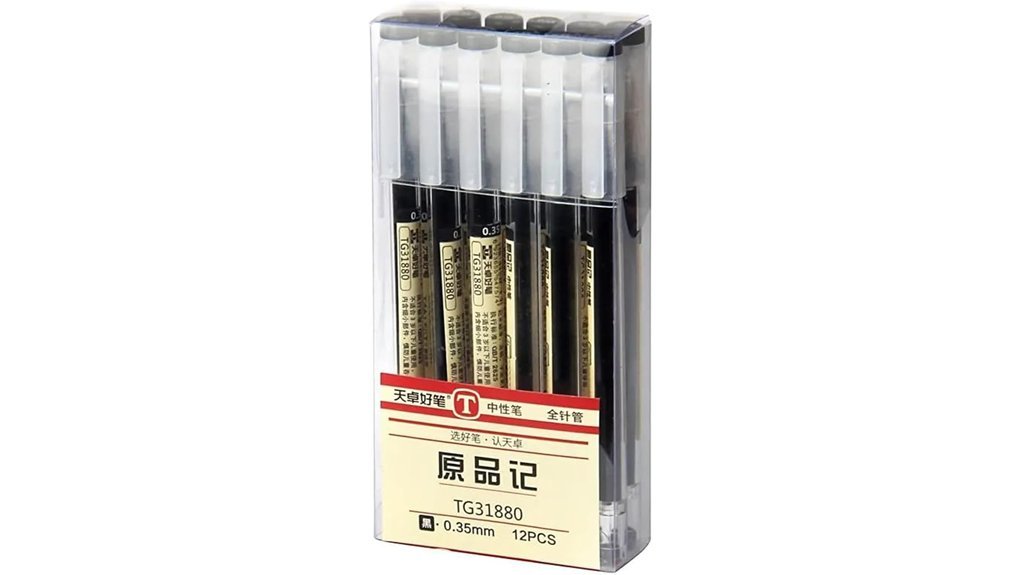
BEMLP 0.35mm gel pens feel like a fine needle on paper. I tested them in a Hobonichi planner and loved the *ultra-fine control*. You get tight lines that stay crisp inside small grids. The ink flows like silk, smooth and quiet on Tomoe River paper. It dries fast and keeps pages clean. No smears. No mess. Think of it as a scalpel for your notes.
The transparent barrel shows ink levels at a glance. That saves you mid-page stress. The tip stays firm through long sessions. I wrote pages of tiny text and the line stayed sharp. These pens suit planners, sketch work, and dense notes. They hit the sweet spot for precision lovers.
Best For:
People who want *pinpoint writing* in planners, study notes, or fine sketches.
Pros:
- Ultra-fine 0.35mm tip for crisp lines
- Quick-drying gel that keeps thin paper neat
- Smooth flow with light hand pressure
Cons:
- Fine tip gives a slight scratch feel
- Ink level drops with steady daily use
- Black ink only, simple and focused
If you value control over flair, these deliver. Clean lines. Fast dry time. A steady hand’s best friend.
Hobonichi Techo TSUKI no IRO Uniball Set
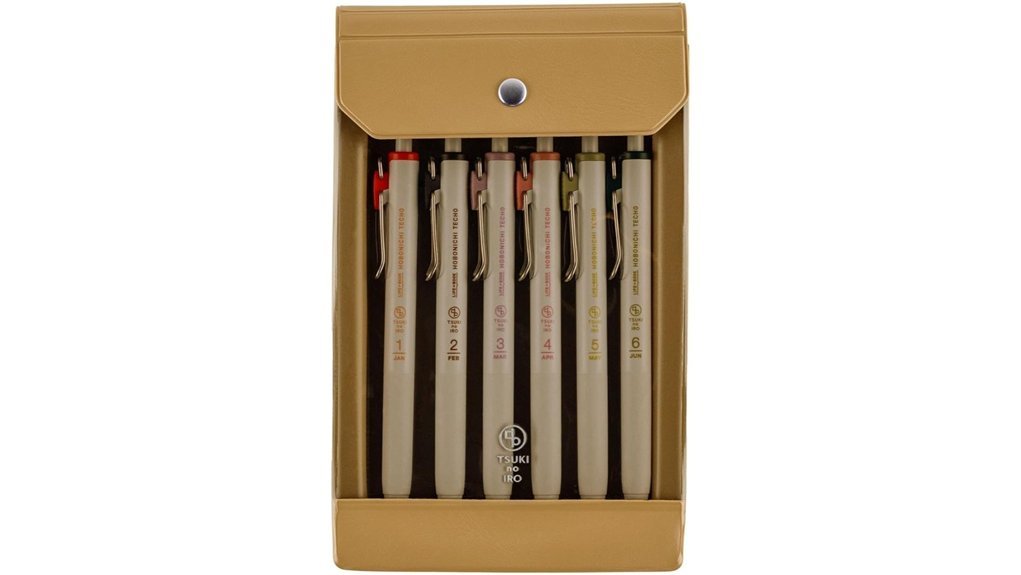
If you love color coding your Hobonichi, this Uniball One set feels like a painter’s kit in your hand. I used it daily in my Techo and the flow stays smooth and quiet. The 0.38mm tip glides with a soft whisper on paper. Ink looks crisp and dries fast. You get six shades that pop without glare.
Each color maps cleanly to a month. Think mandarin orange and plum purple. You also get avocado green and green black. It reads like a tidy calendar at a glance. Like traffic lights for your plans.
The grip feels soft and steady. My hand stayed relaxed during long notes. The pen body feels light yet solid. Stainless steel parts add a cool touch. ABS plastic keeps weight low.
The brown PVC case keeps your kit tight and ready. It slides into a bag with ease. I like the slight vinyl smell. It fades with use. A back pocket holds sticky notes or small stickers. Like a mini desk in your pocket.
Size stays slim and practical.
- 196 by 120 by 8 mm case
- Six 0.38mm Uniball One pens
- Water based ink that resists smudge
- Stainless steel and ABS build
Best For: Hobonichi planner users who want clean color coding and compact carry. It fits daily planning like a glove.
Pros:
- Six clear colors boost fast visual sorting
- Fine tip writes sharp lines with smooth flow
- Slim case keeps pens and extras in one spot
Cons:
- Fine tip feels light for bold writers
- Color set suits fixed systems
- PVC case benefits from careful storage to avoid transfer
Factors to Consider When Choosing a Pen for Hobonichi
When I test a pen on a Hobonichi, I start with the paper feel. Tomoe River paper feels thin and smooth like glass. Ink behavior matters right away. You want clean lines that sit sharp on the page. Fast drying ink keeps your hand clean and your pages crisp. Think of it as skating on ice, smooth and controlled.
Next comes tip precision. Hobonichi grids run tight. You need a fine tip that hits the line every time. I look for control you can feel in your fingers. A good pen gives a soft scratch sound as it moves. That sound tells me the tip grips the page just right.
Bleed through tells the real story. These pages stay thin. Strong ink can soak through and blur your plans. I check the back of every page. You want marks that stay put with no ghosting mess.
Grip comfort seals the deal. You will write for long sessions. Your fingers should feel relaxed and steady. A rubber grip or smooth barrel helps a lot. Your hand should settle in like it found home.
Ink Compatibility
Ink can make or break your Hobonichi pages. I’ve tested dozens of pens on Tomoe River paper and I can feel the difference with every stroke. The paper feels silky thin and it shows every flaw.
Start with how the ink behaves. Some formulas soak in clean while others spread like spilled coffee. You want crisp lines and zero ghosting.
Gel inks feel smooth and almost buttery on the page. Colors pop and look rich under light. Great for journaling and color coding.
Hybrid inks sit right in the sweet spot. You get steady flow and tighter control. I reach for these when I want clean lines fast.
Archival inks serve long term use. They resist water and fading over years. Think of them as ink that stands the test of time.
Tip size matters more than most expect. Fine tips glide with less ink so pages stay neat. Broad tips lay down heavier lines and you can feel the drag.
Here’s what I focus on every time:
- Fine tip pens for precision and low bleed
- Quick drying ink for fast note taking
- Smooth flow that feels consistent
- Minimal ghosting on thin paper
Pick the right combo and your planner feels like a well tuned instrument. Every line lands clean and sharp.
Drying Speed
Drying Speed
I’ve tested Tomoe River paper with dozens of pens. Ink sits on top like morning dew. That feels smooth, yet it slows dry time.
You need speed here. Quick set ink keeps lines crisp and clean. Turn a page fast and you avoid that dreaded smear. Left handed writers will feel this right away. It’s the difference between glide and chaos.
Some inks feel slick but linger. Gel ink often stays wet longer on this paper. Ballpoint ink sets faster and grips the page. I notice less drag and fewer marks on my hand.
Look for inks with fast dry formulas. These blends lock color into the page fast. Your notes stay sharp and easy to read. Thin paper stays tidy with less bleed and ghosting.
Here’s what I watch for:
- Dry time under 5 seconds, ideal for quick notes
- Low smear rate, clean lines after a swipe test
- Minimal bleed, helps thin pages stay crisp
Pick a pen that hits the sweet spot. Smooth flow with quick dry wins the race. Your workflow stays steady and your pages look fresh every time.
Tip Precision
Tip Precision
I’ve tested dozens of pens on Tomoe River paper. Tip precision shapes every line you put down. You feel it at first stroke, a smooth glide with a faint whisper on the page.
You plan in a Hobonichi. Space feels tight. Fine tips like *0.38 mm* or *0.35 mm* give you control. You write small. Lines stay sharp. Your dates look crisp. Headers sit clean like tiles in a mosaic.
Think of it as a surgeon’s scalpel. Clean cuts. Clear intent.
Go wider if you want contrast. A range from *0.20 mm to 0.50 mm* covers both detail and bold notes. I switch sizes often. It keeps pages lively.
What I notice in real use:
- Gel pens feel slick and cool on touch
- Ballpoints feel steady with soft feedback
- Fineliners lay crisp edges with a dry feel
Ink flow matters just as much. A steady flow keeps each stroke even. Your lines stay consistent. Your layout feels calm to the eye.
You’ll spot the difference fast. Spacing looks tighter. Alignment clicks into place. Your planner starts to look *dialed in* without extra effort.
Paper Bleed Risk
A thin page changes every drop of ink. I feel it in my Hobonichi each day. Paper feels soft and almost silky. Ink can spread like rain on tissue.
Pick your pen with care. Ink type drives bleed risk. I’ve tested dozens on this paper.
- *Gel ink* flows smooth and looks rich
- *Liquid ink* feels wet and glossy
- *Ballpoint* stays tight and crisp
- *Hybrid ink* blends control with color
Ballpoint and hybrid win here. They keep lines sharp. Think of them as a steady hand in a shaky moment.
Tip size matters more than you think. I reach for 0.38mm most days. It lays down less ink. Lines look clean and precise. You feel less drag on the page.
Fineliners with archival ink help a lot. The tip feels firm like a needle. Color stays even. Spread stays low. It is like drawing with a whisper.
Dry time saves your pages. Quick dry formulas lock ink fast. Your hand glides without smears. Transfer stays low on facing pages.
Test before you commit. I always do a corner check. Touch the paper and watch the line.
- Look for feathering at the edges
- Check ghosting on the back
- Spot any bleed through
You get clear answers in seconds. That small test pays off. Your pages stay clean and calm.
Grip Comfort
Ink sets the tone. Your *grip* sets your pace. I’ve tested dozens of pens in long Hobonichi sessions, and comfort wins every time.
A good grip feels like a handshake that fits. Soft rubber warms to your fingers and adds tack. Hard plastic feels slick and cool. You feel the difference by minute ten.
Control comes from shape. Contours guide your fingers and steady each stroke. Left or right hand works the same. Lines stay clean and even.
Size matters. Barrel diameter changes fatigue fast. Thick grips suit larger hands. Slim grips suit smaller hands. Your hand relaxes when the size matches.
Texture adds traction. Micro ridges bite gently. Smooth coats glide. I prefer a slight drag that keeps the tip planted.
Adjustability helps. Some grips slide or rotate. You set the angle that fits your style. Fine tuning pays off over long pages.
Here is what I check every time:
- Grip material, rubber or silicone for cushion
- Barrel diameter, 8 to 12 mm sweet spot for many hands
- Contour shape, finger grooves that guide placement
- Surface texture, light grip that reduces slip
- Balance point, weight near the tip for control
Pick a grip that feels natural in your hand. Your lines stay steady. Your wrist stays fresh. You keep writing like a well oiled machine, page after page.
Conclusion
Choosing the right pen turns your Hobonichi into a place you want to open daily. I felt the shift the moment smooth ink hit the page, it glides like butter on warm toast. Fine tips keep lines crisp and clean. Soft grips sit easy in your fingers and reduce strain.
You feel the paper respond with a soft whisper. Ink dries fast and stays sharp. That means clean pages and clear plans.
Think of your pen as the engine of your routine. A smooth engine keeps every day moving. Pick a style that fits your hand and your pace. You build a planning habit that sticks.
*Great tools spark great habits.* And yes, the right pen makes planning feel fun again.