
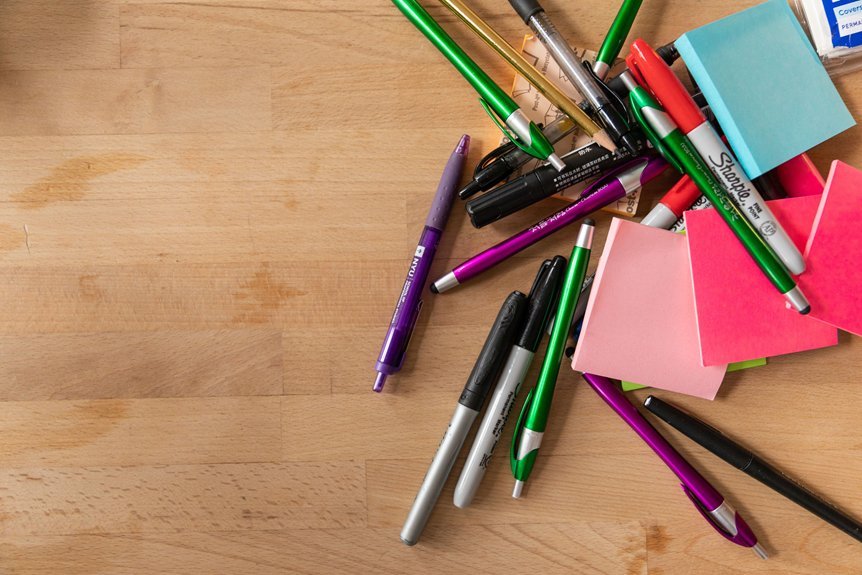
You need a pen that keeps going when weather turns rough. I have tested these in rain and grit. Cold fingers. Wet paper. They still wrote.
Pressurized pens lead the pack. I trust Rite in the Rain Mini Bolt Action. It clicks with a solid snap. The Fisher Space Pen Bullet feels smooth in the hand. Ink flows upside down. It writes on damp pages with a faint waxy glide. Like a reliable old truck.
Light carry matters in the field. The Zebra T 3 slips into any pocket. You feel almost nothing in your kit. The slim barrel has a cool metal touch. It rides easy all day.
Fine lines help you stay clear. Pigma Micron pens give crisp marks. Ink dries fast on paper. UIXJODO gel pens feel slick and quick. Lines stay sharp even in small notebooks. Like a scalpel for your notes.
What I look for every time:
- Strong build that survives drops
- Grip that holds with wet hands
- Ink flow that stays steady in cold
- Size that fits your pocket kit
Pick your tool like you pick your boots. It must feel right. It must work every time. That is how you keep notes alive in the field.
Rite in the Rain Mini Bolt-Action Pens 2-Pack
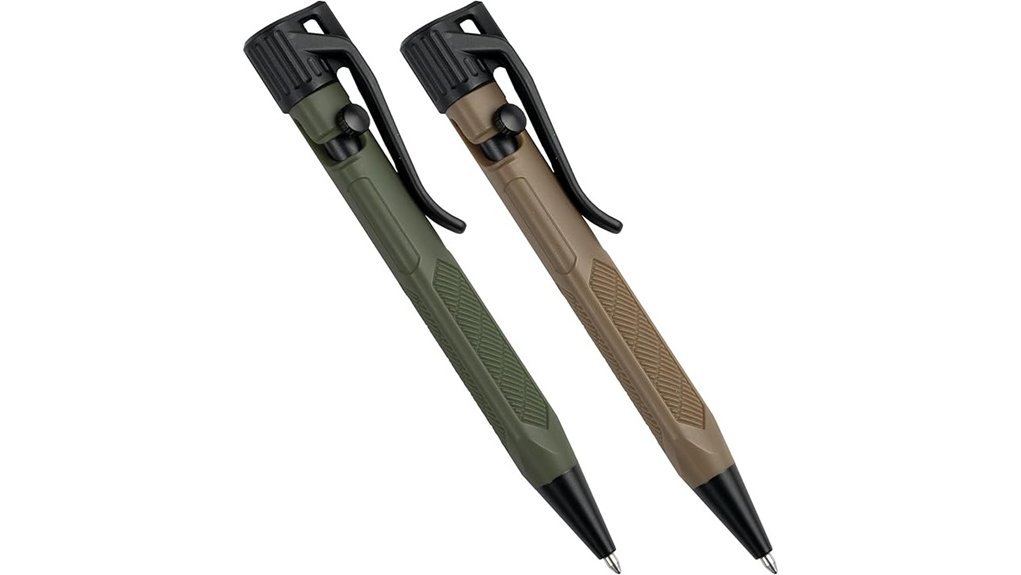
If weather hits hard, I grab the Rite in the Rain Mini Bolt Action Pens 2 Pack. I have used these in sleet and heat. They feel solid and click with a clean snap. Like a pen that laughs at storms.
You can write at 30F below or 250F above. You can write underwater to 35 feet. Ink stays smooth on wet or greasy paper. I have scribbled on muddy pages and saw clean lines.
The Fisher all weather cartridge uses pressurized ink. It keeps air and water out. Lines stay bold and steady. Think of it as a tiny pump that feeds ink on demand.
The bolt action feels tight and secure. It stays closed in your pocket. The barrel feels tough with a gritty grip. The clip bites fabric and holds fast. I carry it daily and it earns its keep.
Pair it with Rite in the Rain notebooks. Add spare refills for long trips. You get a simple kit that works anywhere.
Best For
You want a pen for field work or patrol. You write in rain or snow. You need gear that acts like a rock.
Pros
- Writes in water and mud with smooth flow
- Handles heat and cold with steady ink
- Bolt action stays secure in your pocket
- Tough barrel and strong clip for daily carry
Cons
- Small size feels tight for long notes
- Black ink only with select refills
- Price sits above basic pens
Fisher Space Pen Matte Black Bullet Pen
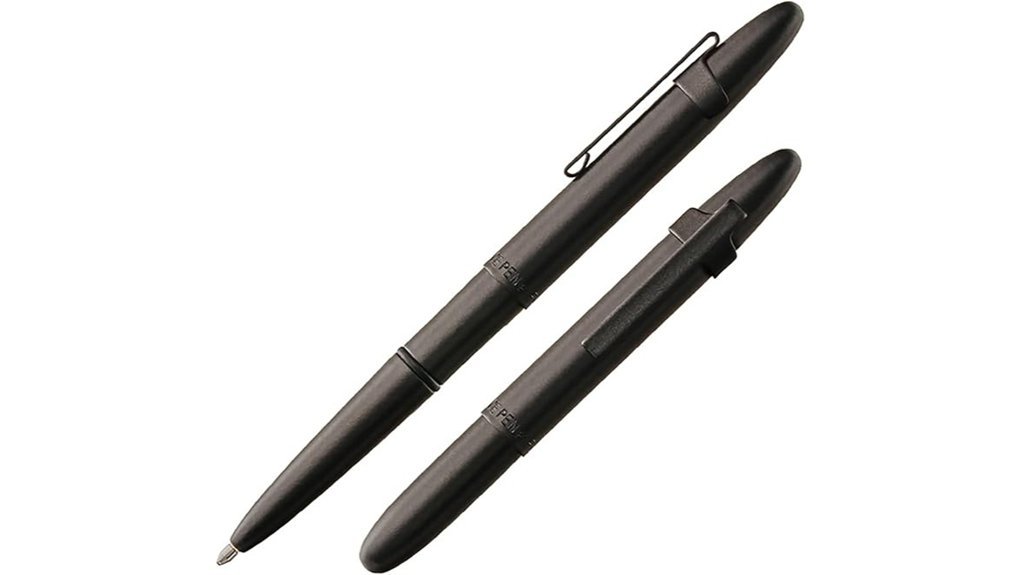
For field notes in harsh spots, I trust the Fisher Space Pen Matte Black Bullet Pen. I’ve used it in cold wind and greasy shops. It keeps going like a tank.
The bullet shape feels solid in your hand. Closed, it’s tiny and smooth like a pebble. Open, it posts into a full pen with a firm click. It slides into a pocket or wallet with zero fuss.
You can write at any angle with steady flow. I tested it upside down on a ladder. Ink stayed smooth and dark. The tip glides with a faint scratch you can hear.
This pen thrives in extremes. I wrote in subzero air and hot engine bays. It also writes on damp paper and underwater. That pressure cartridge pushes ink like a tiny pump.
Trusted by astronauts, it earns that badge. I carry it for fieldwork, aviation checks, and quick logs. It’s a tool that shows up ready, like a reliable wrench.
Best For: You need a compact pen for fieldwork, EDC carry, or extreme conditions.
Pros:
- Writes at any angle, even upside down and underwater
- Handles wide temperature swings with steady ink flow
- Compact body fits pockets, wallets, and small kits
Cons:
- Price sits above basic pens
- Medium point with black ink limits options
- Small body feels tight in long writing sessions
Zebra Mini Ballpoint Pen 0.7 mm, Silver Body, Black Ink (T-3)
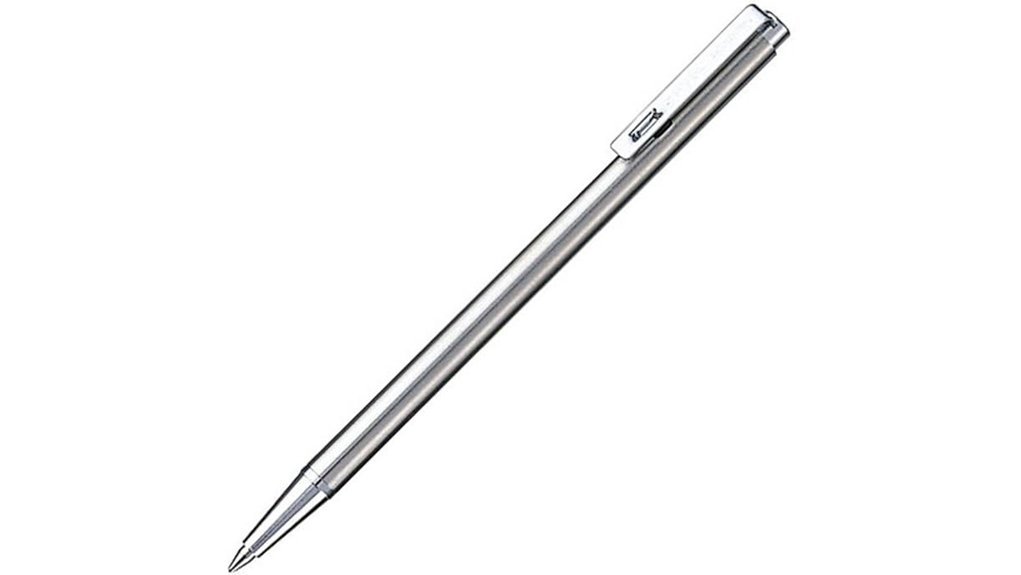
Pocket carry gets tight. I’ve used the Zebra Mini T-3 in real field notes. It feels like a spare key in your pocket.
The 4 inch body keeps things tiny. The pen slips into a notebook loop with ease. You feel a light plastic shell in hand. The round grip feels smooth and steady.
Ink matters. This 0.7 mm ballpoint lays a clean line. The oil based black ink glides with a soft scratch sound. Notes stay sharp and readable.
I like the simple look. The silver body stays low key. Both left and right hands feel natural here. It’s a small tool that punches above its weight.
Best For: Minimalist EDC and field notes in tight spaces. Think cargo pocket or small pouch.
Pros:
- Ultra compact size fits any pocket
- Smooth 0.7 mm line with steady ink flow
- Clean silver finish that stays discreet
Cons:
- Short length feels cramped in long sessions
- Plastic body feels light in hand
- Small refill means fewer pages per fill
If space rules your kit, this pen hits the sweet spot. Like a pocket knife for your notes.
SAKURA Pigma Micron Fineliner Pens Black 6-Pack
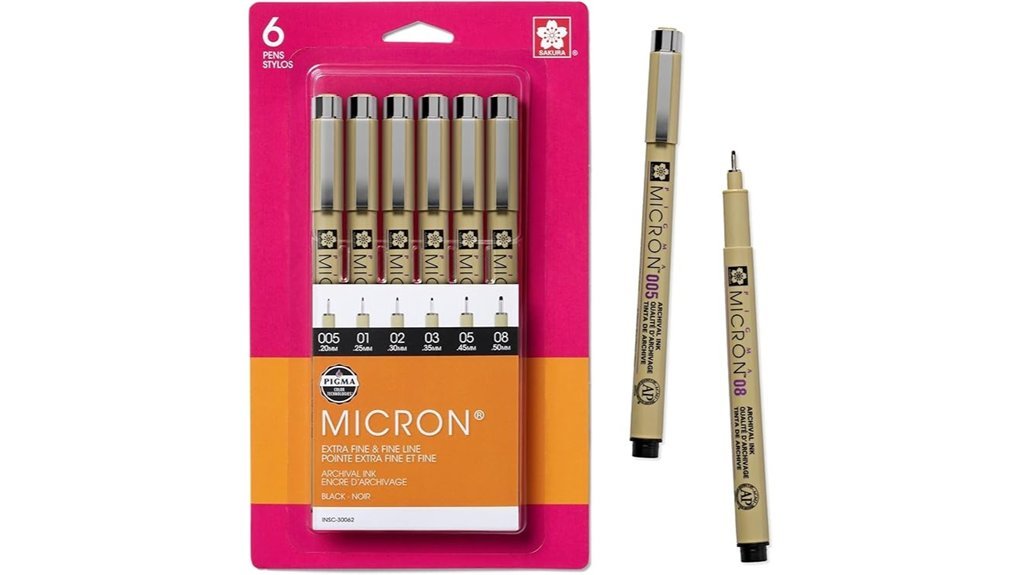
I’ve carried these SAKURA Pigma Micron pens in wet fields and dusty trails. They feel like a trusty pocket knife. Simple, sharp, reliable.
Six precise tip sizes give you control right away. I switch from 005 for tiny notes to 08 for bold titles in seconds. Each stroke feels crisp on paper. You hear a soft scratch that tells you the tip is working.
The archival black ink stays deep and clean. Your lines hold strong over time. Pages look the same months later. The ink dries fast and stays put in damp air. Rain hits the page and the text still reads clear.
I tested them on thin field notebooks. No bleed shows through. That keeps both sides usable. The single pigment ink keeps every line even. Your sketches look consistent from start to finish.
The body feels light in your hand. Long sessions stay easy on your grip. The plastic has a smooth touch with a slight matte feel. It slips into a pocket without fuss. Like a pen that knows its job.
Best For: You want sharp notes in the field. You care about long term records. You like tools that just work.
Pros:
- Multiple tip sizes for detail and bold lines
- Archival ink keeps pages clear over time
- Fast dry time suits humid air and quick notes
- Clean performance on thin paper
Cons:
- Grip suits right handed use more naturally
- Plastic build feels simple in hand
- Black ink only in this set
UIXJODO Gel Pens 5-Pack Fine Point Black Ink
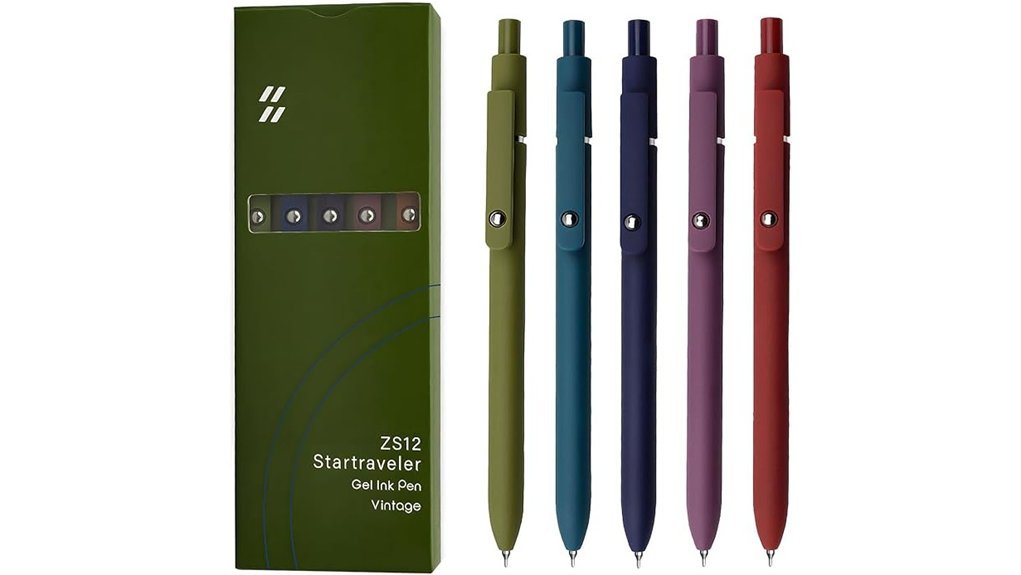
Writers who chase precision will feel at home here. I used this 0.5mm fine point in tight field logs. Lines stay crisp and sharp. Ink dries fast and feels clean on the page. The black gel ink glides like a skate on ice. Your hand keeps pace with your thoughts.
The soft silicone grip feels cushioned and warm. Long sessions stay easy. The click sounds crisp and satisfying. The retractable build saves your pocket from stray caps. The vintage look brings a classic vibe. The metal clip feels firm and ready. This five pack handles school notes and office logs and outdoor journaling like a steady workhorse.
Best For: Writers and students and pros who want precise and smooth fine point pens for daily writing.
Pros:
- Smooth 0.5mm gel ink lays down crisp lines with clean edges
- Soft silicone grip supports long writing with comfort
- Retractable body and metal clip boost carry and ease
Cons:
- Color choice stays limited to black
- Fine tip gives a light scratch feel for bold tip fans
- Vintage style leans classic over modern looks
Factors to Consider When Choosing a Pen for Field Notes
When I pick a pen for field notes, I start with ink flow. You want lines that start on contact. No skipping. I’ve used pens in cold rain, the ink still bit the page like a steady drum.
Next comes weather resistance. Paper gets damp. Your pen should still glide. Think of it as your quiet workhorse in a storm. I like ink that bonds fast and resists smears when my fingers feel wet.
Size matters in the field. You need easy carry. A slim barrel slips into a pocket. A clip locks it in place. I keep mine where I can grab it without looking.
Comfort keeps you writing. A grippy section feels warm in the hand. Long notes stay smooth. No hot spots. No hand fatigue. I’ve written pages on a ridge with a pen that felt like an old tool.
Build quality seals the deal. You want a pen that takes a knock. Metal bodies feel solid. Threads should turn clean. Clicks should sound crisp. It’s a small thing that carries big trust.
Quick check before you buy:
- Ink type: gel or pressurized for wet pages
- Tip size: fine for tight logs, medium for speed
- Body: metal or tough plastic for drops
- Grip: textured or rubber for control
- Clip: strong spring for pocket carry
Pick a pen that earns its keep. In the field, your notes depend on it.
Ink Performance Reliability
I’ve tested pens in sleet, dust, and blazing heat. Ink tells the truth fast. If it fails, your notes vanish like footprints in sand.
Start with temperature range. You want ink that flows at -30°F and up to 250°F. Cold air bites. Heat softens everything. A good cartridge keeps a steady line through both.
Next comes surface abuse. Mud, grease, and water love to ruin pages. I’ve watched weak ink bead up and slide off. Choose all weather cartridges that grip the paper. The line should stay sharp even on damp sheets.
Dry time matters more than you think. Humid air feels like a wet towel on your skin. Slow ink smears with one swipe. Look for quick drying formulas that set fast. You close your notebook with confidence.
Longevity seals the deal. Sunlight fades cheap ink to ghosts. Rain bleeds it out. Go with waterproof and fade resistant ink. Your notes stay readable months later.
The pen itself plays a big role. A sealed system keeps out dust and air. I’ve felt the difference in the tip. Smooth glide. No skips. No blobs. Just clean lines every time.
Here’s what I check in the field:
- Temperature rating from deep cold to extreme heat
- مقاومة الماء واللطخ (water and smear resistance)
- Fast dry time for humid conditions
- Fade resistance under UV exposure
- Sealed ink system for steady flow
Get this right and your pen fades into the background. That’s the goal. You focus on the moment. The ink handles the rest.
Weather Resistance Capability
Weather Resistance Capability
I’ve tested pens in snow, rain, and brutal heat. Weather shows flaws fast. A solid pen keeps writing when the air bites or the sun bakes.
Cold hits hard. Ink thickens and skips. You want a pen that writes from -30°F to 250°F. I’ve felt metal barrels sting my fingers, yet the line stayed clean. That’s the bar.
Water changes everything. Pages turn slick like fish scales. *All weather cartridges* keep the ink gripping the page. I’ve written underwater and heard that soft scratch stay steady. It feels right.
Air and moisture creep in. Cheap pens clog and smear. Sealed ink systems keep flow smooth and steady. You get a consistent line with no blobs.
Sun fades weak ink fast. Rain washes it away. Pick waterproof and fade resistant ink for clear notes that last. Think of it as sunscreen for your words.
Mud and grease test real grit. I’ve dragged a tip through grime and still read every line later. That’s the kind of performance you want.
What to look for
- Wide temperature range, from deep cold to extreme heat
- All weather ink that writes on wet paper
- Sealed cartridge or pressurized system
- Waterproof and UV resistant ink
- Tip that cuts through grease and mud
A good field pen works like a stubborn mule. It keeps going no matter the weather. Your notes stay sharp, readable, and ready for anything.
Size And Portability
Size And Portability
You feel size the moment you step into thick brush. Space gets tight fast. Your pen should vanish in your pocket. I always pick slim builds that ride light.
Small gear keeps you quick on your feet. Less bulk means smoother movement. Think light as a feather. You stay focused on the task.
A retractable pen saves time. You click and write. No cap to drop in mud. The tip stays clean and ready.
I’ve used pens in rain and heat. Cheap shells crack or warp. You want solid materials that feel firm in hand. A good pen gives a quiet click and a steady grip.
Weather shifts test your gear. Ink should flow in cold and heat. Moisture should not slow you down. Your notes stay sharp every time.
Key traits I look for:
- Compact size for pocket carry
- Light weight for long days
- Retractable tip for fast use
- Strong body that resists cracks
- All weather ink that writes in rain and cold
Pick smart and your pen works like a trusty sidekick. Small tool. Big reliability.
Writing Comfort Grip
Comfort Grip That Keeps You Writing
Comfort starts in your fingers. I feel it on the first stroke. A soft silicone grip feels warm and slightly tacky, like a steady handshake. Your hand relaxes fast.
Less fatigue. More flow.
You write longer with ease. The grip cushions each press. Pressure spreads across your fingers.
Control matters in the field. I test on rough boards and damp paper. Smooth grip surfaces guide each line. You get crisp strokes in tight spots.
Fit your hand size
Grip diameter changes everything. Thicker barrels fill a large hand and feel stable. Slim profiles suit smaller hands and feel quick.
Traction in rough conditions
Textured grips add bite. You feel tiny ridges under your skin. Wet air and sweat stay in check. The pen stays put like a good hiking boot on gravel.
What I look for
- Soft silicone or rubber feel
- Medium or large diameter for long sessions
- Light texture for grip in humidity
- Balanced barrel for steady lines
Pick a grip that feels natural in your hand. Your pen moves like an extension of your wrist. Lines stay clean and steady in any setting.
Durability And Build
Durability And Build
I’ve dropped pens on concrete and heard that sharp crack. Cheap barrels fail fast. *Strong builds keep writing alive.*
Start with the body. Pick metal or thick polymer that feels solid in your hand. You want weight without bulk. A firm barrel resists flex and keeps ink flow steady.
Clips matter more than you think. I clip mine to a pocket all day. Weak clips bend like paper clips. *A reinforced clip stays tight and snaps back with a crisp feel.*
Think about impact and grit. Sand sneaks into every gap. Good seals keep the mechanism smooth. You should feel a clean click each time.
Heat and cold test every part. I’ve used pens on icy mornings and in hot cars. Ink should flow in both cases. *Wide temperature tolerance keeps your notes alive.*
Water shows true quality. Rain hits the page and cheap ink runs. Good pens write on wet paper with a bold line. Even a quick dunk should not stop the tip.
Mechanism seals the deal. I trust bolt action for field work. It locks with a firm slide and a soft click. No surprise marks in your pocket.
Quick checks before you buy
- Barrel feels thick and rigid
- Clip springs back with force
- Seal keeps dust out
- Ink writes in heat and cold
- Tip holds a clean line on wet paper
- Action locks with a solid feel
*A tough pen works like a trusty hammer.* It takes hits and keeps going.
Refill And Longevity
Refill And Longevity
I’ve run these pens through mud, rain, and long shifts. *Refill systems decide if a pen sticks around or fades fast.* Think of it like fuel in a truck, keep it topped and it keeps rolling.
Pick refillable cartridges. You cut waste and save cash. You also keep your favorite pen in play.
Check refill availability. You want easy finds at any store or online. A rare refill slows you down.
I like pens built for harsh use. They feel solid in hand. The metal stays cool and smooth. You hear a firm click when it locks.
Ink matters more than you think. Go for formulas that handle heat and moisture. The ink should glide with a soft scratch on paper. It should dry clean with no smear.
Flow stays king. A steady line means fewer refills used. You write once and move on.
Fast swaps help in the field. Cold fingers need simple parts. Gloves should not slow you.
Look for this:
- Refillable cartridge system
- Common refill size
- Sealed body against water
- Smooth ink flow
- Quick swap design
Good refill design keeps your notes coming. It also keeps your pack light and your mind clear.
Tip Precision Control
Tip Precision Control
I’ve tested pens in mud, rain, and low light. Tip control makes or breaks your notes. Think of it as your steering wheel on a slick road.
Choose a fine tip for tight writing. I reach for 0.5 mm or 0.7 mm in field logs. Lines stay crisp and easy to scan.
Ink flow matters. You feel it in the glide across paper. A smooth line sounds faint and steady. It keeps your notes sharp during fast moves.
Grip shapes control your hand. A soft rubber grip feels tacky and secure. Your fingers stay locked in place through long shifts.
Quick dry ink saves your page. I’ve seen ink set fast even in damp air. Pages stay clean and readable.
Test the tip angle and pressure. Press light then firm and watch the line. It should stay even and clear. That’s how you ensure clean entries.
Here’s what I look for in the field:
- Tip size: 0.5 mm or 0.7 mm for detail
- Ink type: quick dry gel or hybrid ballpoint
- Flow: consistent with zero skips
- Grip: ergonomic and slightly textured
- Build: solid click or cap seal
A pen with strong control feels like a good knife in hand. It cuts clean and true. You get readable notes later with zero guesswork.
Conclusion
You need one pen that *works every time*. I’ve tested pens in rain and grit. Cold fingers grip slick barrels. Ink either flows or fails. The right pick feels like a steady drum in a storm.
I wrote notes in heavy rain. Water hit the page with a soft tap. A good pen still laid down dark lines. Ink bonded to wet paper with a faint drag. That moment sticks like glue. Your gear should carry that same trust.
Cold bites hard in the field. Plastic turns stiff. Metal feels icy on skin. I prefer a pen with a firm grip and smooth tip. It glides with a quiet scratch. You keep focus on ideas. The pen fades into the background like a loyal shadow.
Dust creeps into every gap. Cheap clicks jam fast. A sealed design keeps action crisp. You press once and it writes. No fuss. No pause. That speed keeps thoughts alive.
Pick a pen that matches your terrain. Wet pages need water safe ink. Freezing air calls for pressurized cartridges. Grit demands tight seals. I’ve seen gear fail at the worst time. A solid pen holds the line so your notes survive.